Unit 1 | Lesson | Week 2
The Elements of Design
Seven ingredients hide in every photograph. Today you learn to see them.
START HEREOpen your unit one-sheetPrint it or keep it open while you work.Open ↗
The big idea
You cannot take a photograph without using at least one of these seven. Once you can name them, they stop being accidents and become choices.
On your sheet, section 01
Line
The path your eye follows. Lines always lead somewhere, so use them to lead your viewer to the subject.
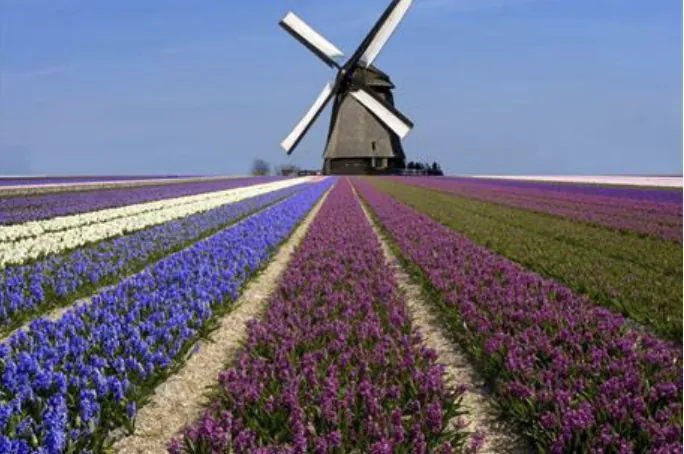
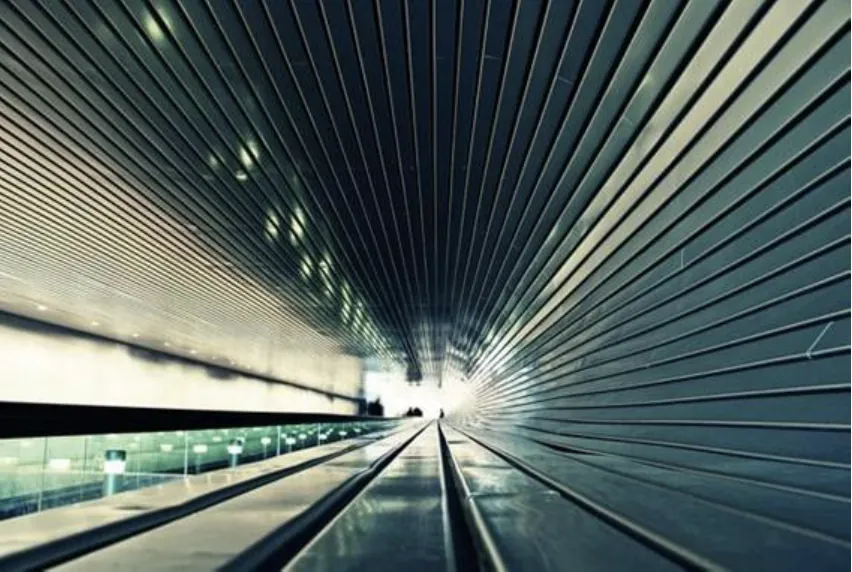
Rows of tulips and the lines of a tunnel both pull your eye to one point.
Try it now: Find one line in this room and follow it with your finger. Where does it end?
On your sheet, section 02
Shape
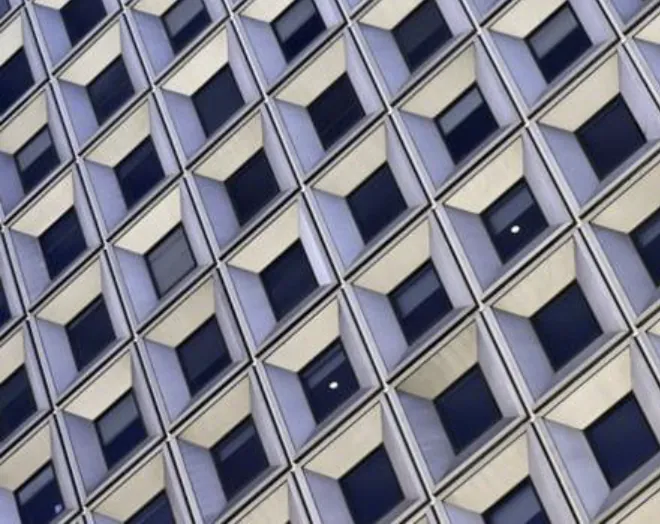
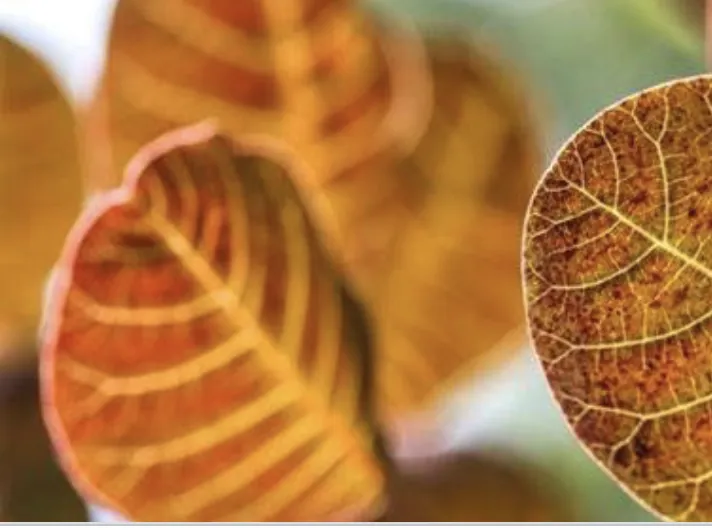
A flat outline. Geometric shapes look built: squares, circles, triangles. Organic shapes look grown: leaves, clouds, people.
Geometric on top, organic below. Both are shape.
Try it now: Name one geometric and one organic shape you can see from your seat.
On your sheet, section 03
Form
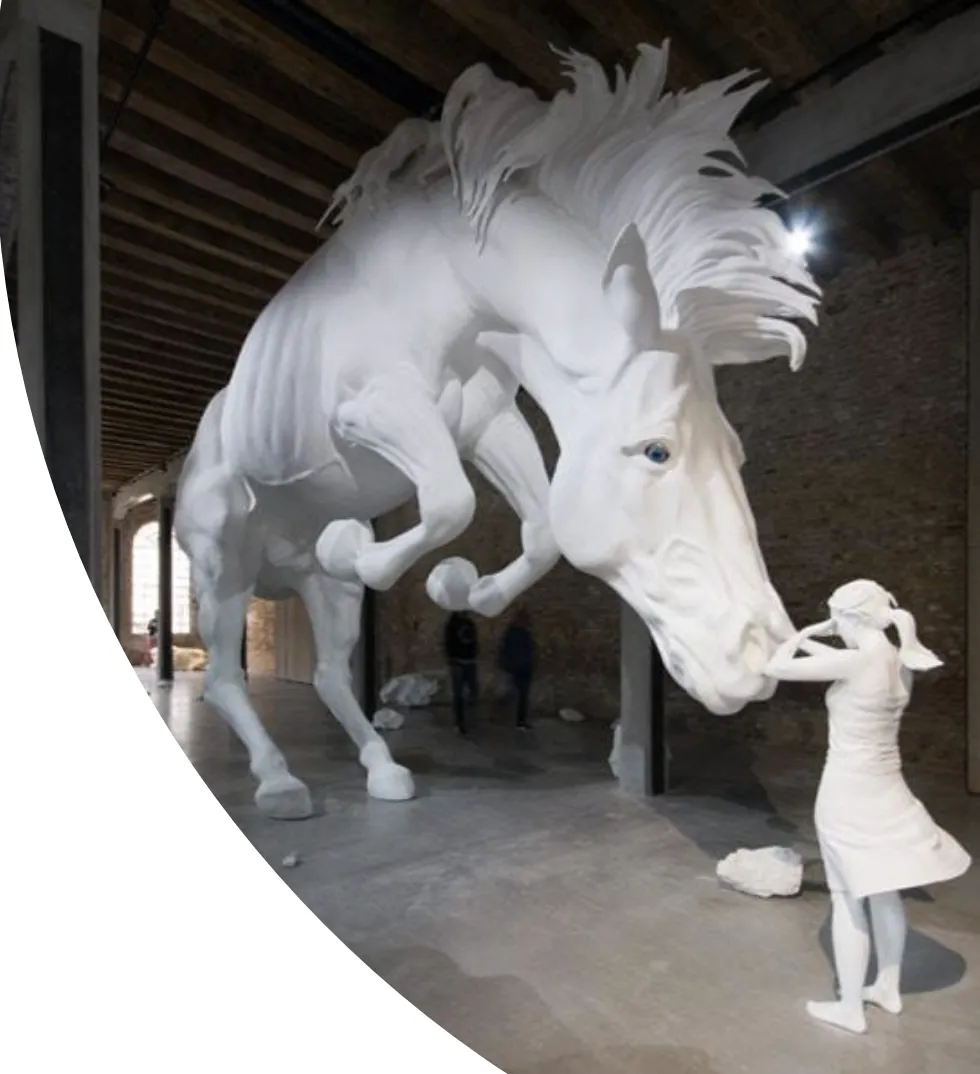
Shape with depth. You see form through light and shadow, the bright side and the dark side of the same object.
Take away the shadows and these would look flat.
Try it now: Hold up your fist. Find the bright side and the dark side. That is form.
QUESTIONS FOR YOU, LINE, SHAPE AND FORM
Find a line in this room. Where does it lead your eye?
Name one geometric shape and one organic shape you can see right now.
What turns a flat shape into a form?
On your sheet, section 04
Space
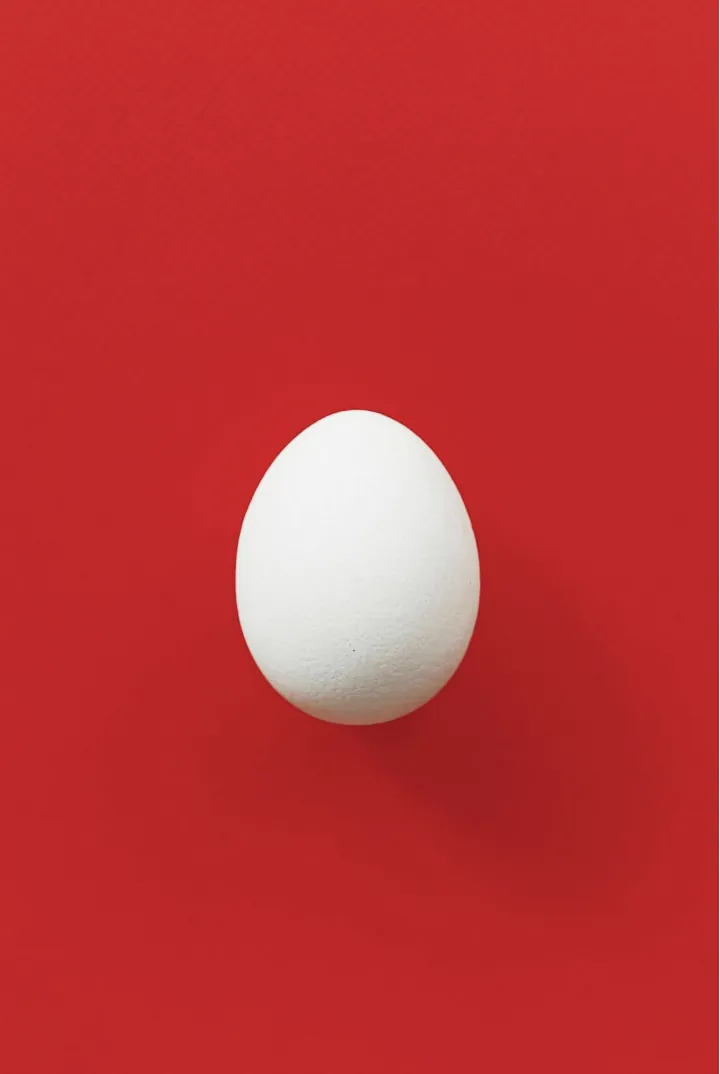
Your subject fills the positive space. The empty area around it is negative space. Give the subject room and it stands out.
A plain background or an open sky gives the subject room, so we see it right away.
On your sheet, section 05
Texture
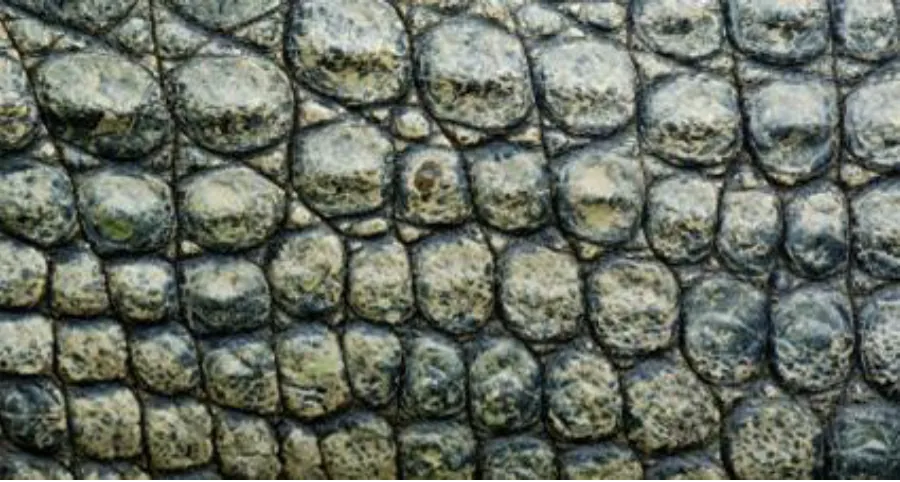
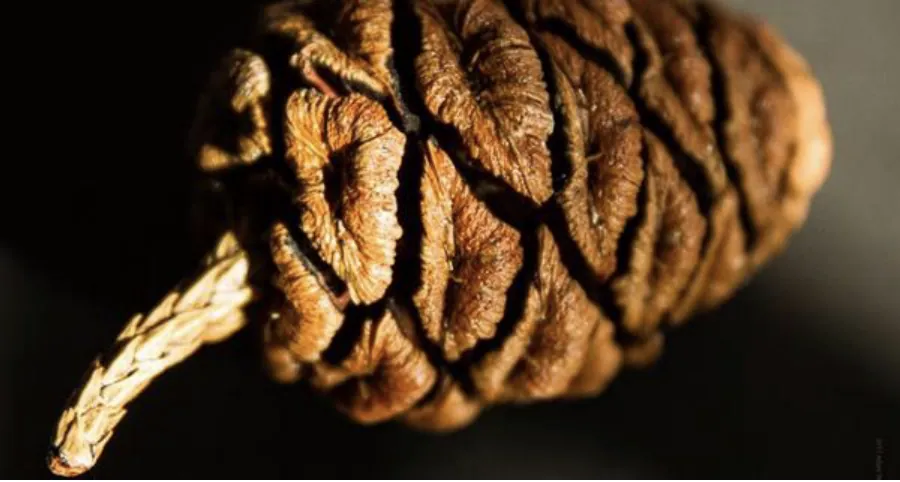
How a surface would feel if you touched it. Light from the side makes texture jump out.
You can almost feel both of these, just by looking.
Try it now: Run your hand over the closest rough surface. Would it make a good texture photo?
QUESTIONS FOR YOU, SPACE AND TEXTURE
Where is the empty space in the egg photo, and what does it do for the egg?
Which surface in this room would photograph best for texture? Why?
Where would you put the light to make that texture stand out?
On your sheet, section 06
Color
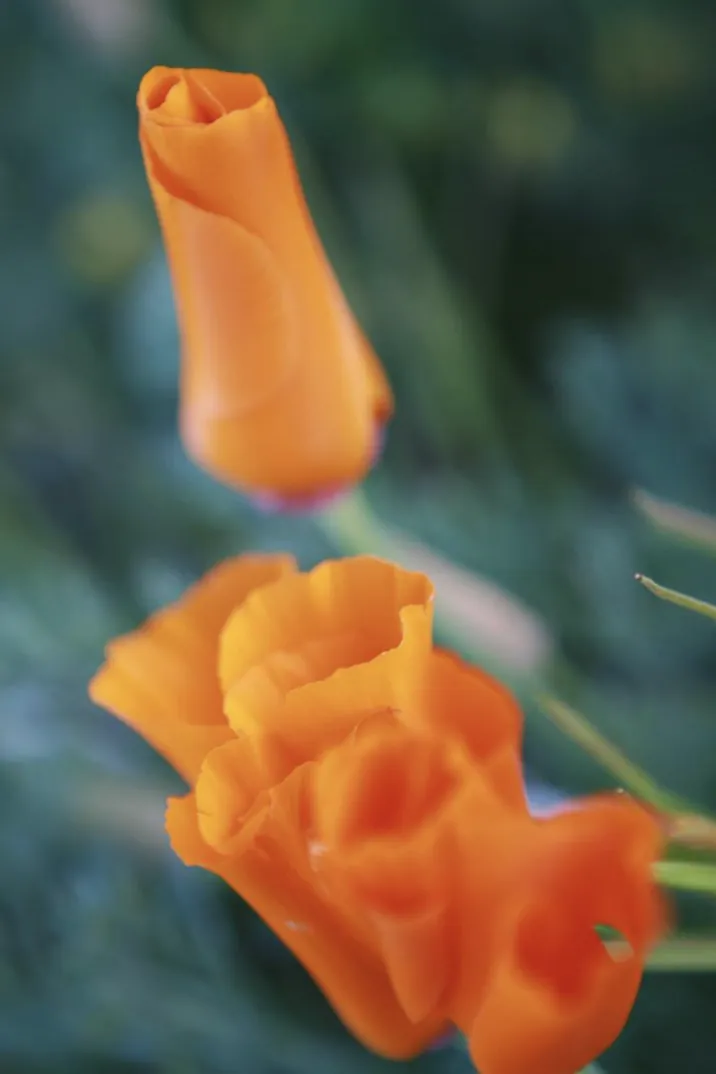
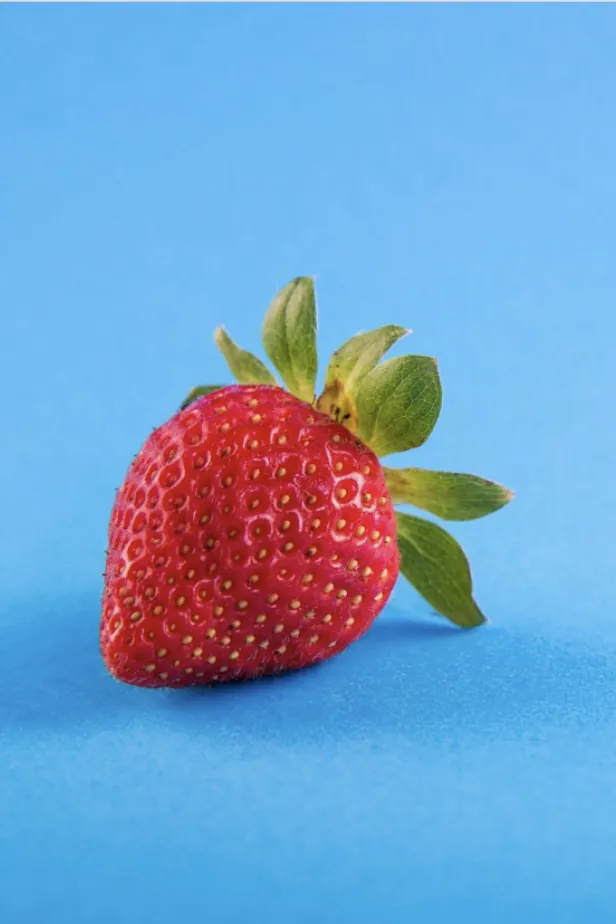
Notice two things: the color itself, and how bright or dull it is. One strong color can carry a whole photo.
One strong color, or two that clash, can be the whole photograph.
On your sheet, section 07
Value
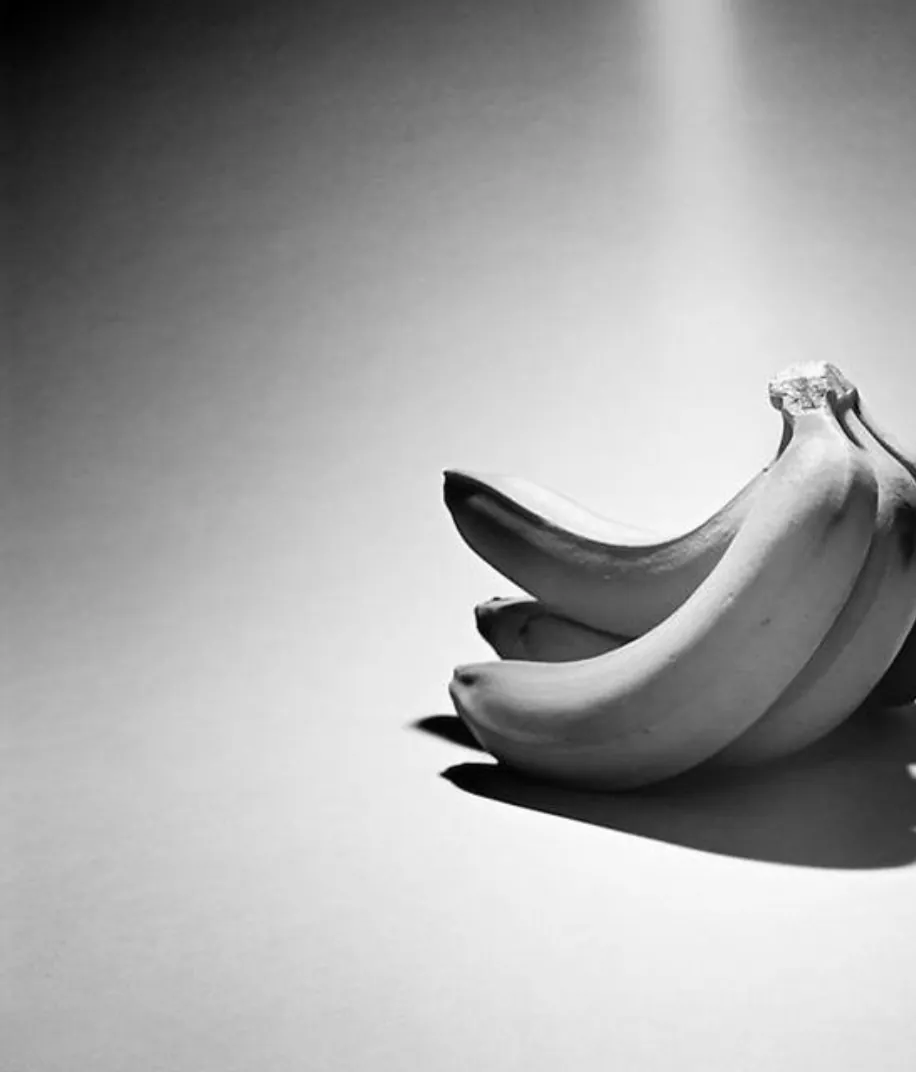
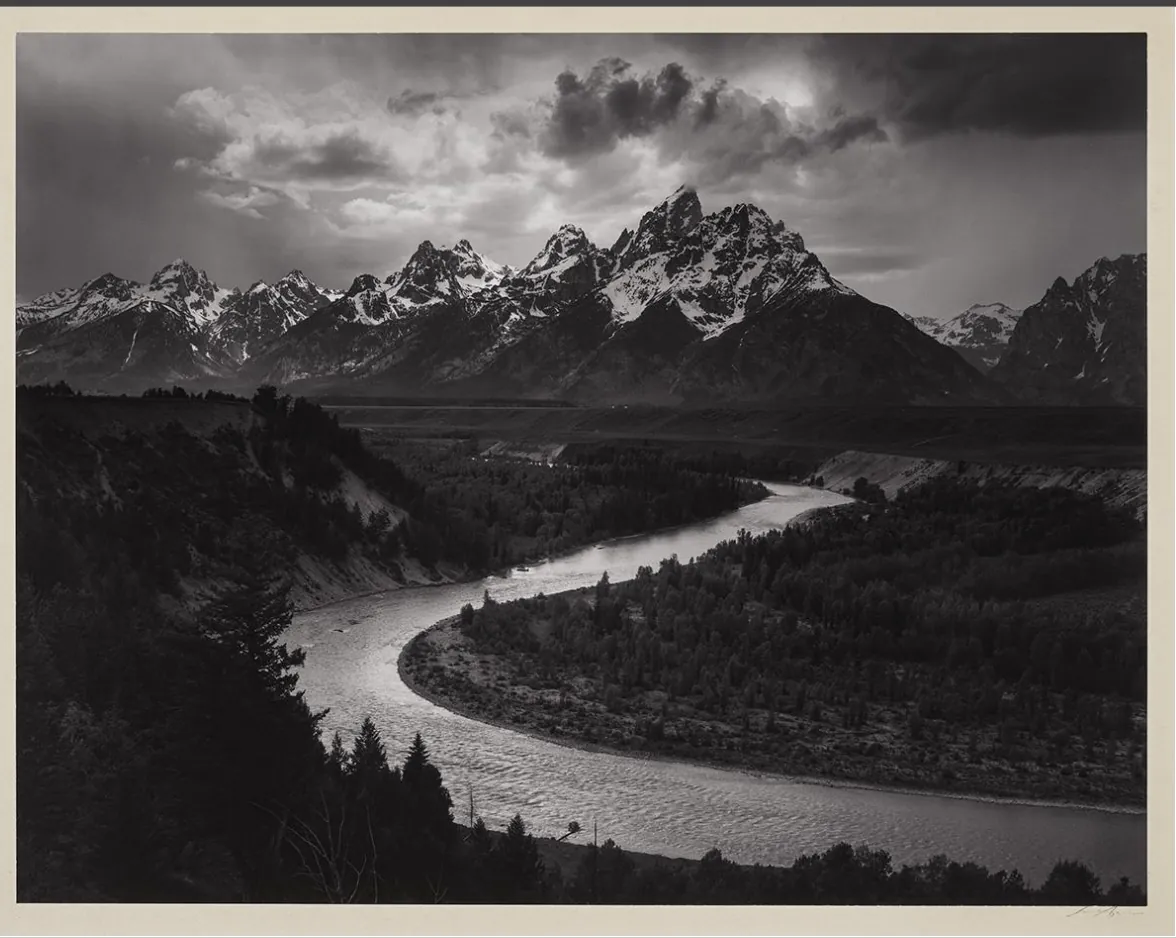
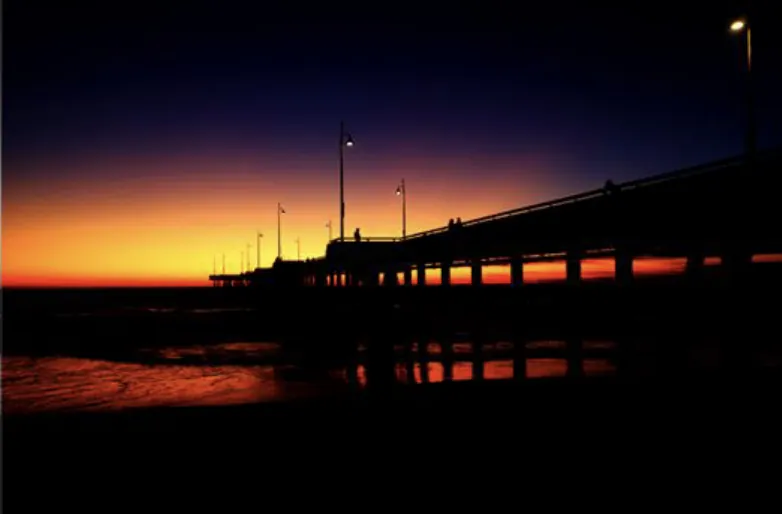
The range from light to dark. Your eye usually goes to the brightest part of the photo first.
Value works the same in black and white or in color.
Try it now: Squint at the room. The bright spots that are left are where a viewer looks first.
QUESTIONS FOR YOU, COLOR AND VALUE
In the mountain photo, where does your eye go first? Why?
Which of the seven do you think is hardest to photograph on its own?
Which one will you look for first when you go out to shoot?
Your assignment
Assignment 01: Elements of Design. When: shoot on campus in Week 2, Tuesday. Due Week 3, Tuesday, 9:00 pm.
Coming up
Seven photos, one for each element, all shot by you on your own camera. Each one so clear I could name the element without a label.
Before you leave today
Point at three elements in this room and name them out loud.