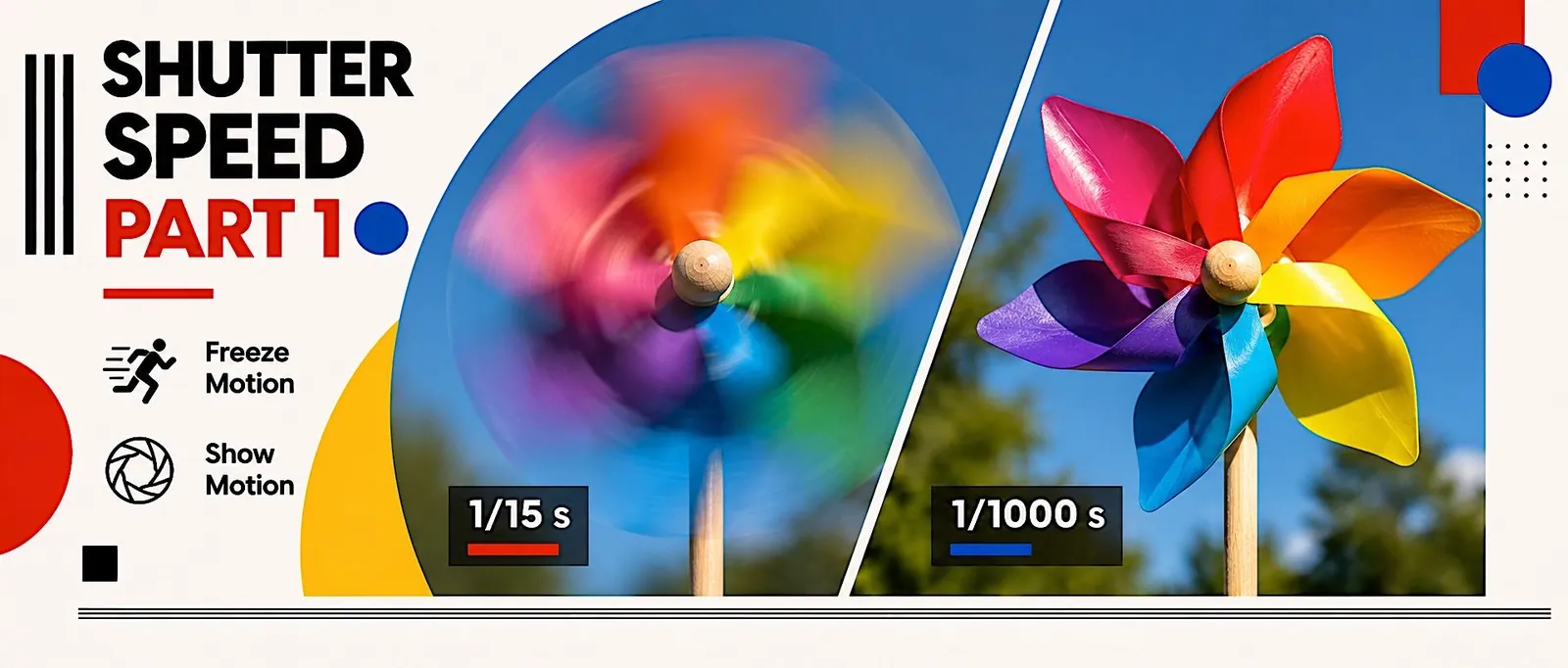
Motion and Shutter Speed
Freeze it, blur it, or pan with it. Shutter speed decides how motion looks.
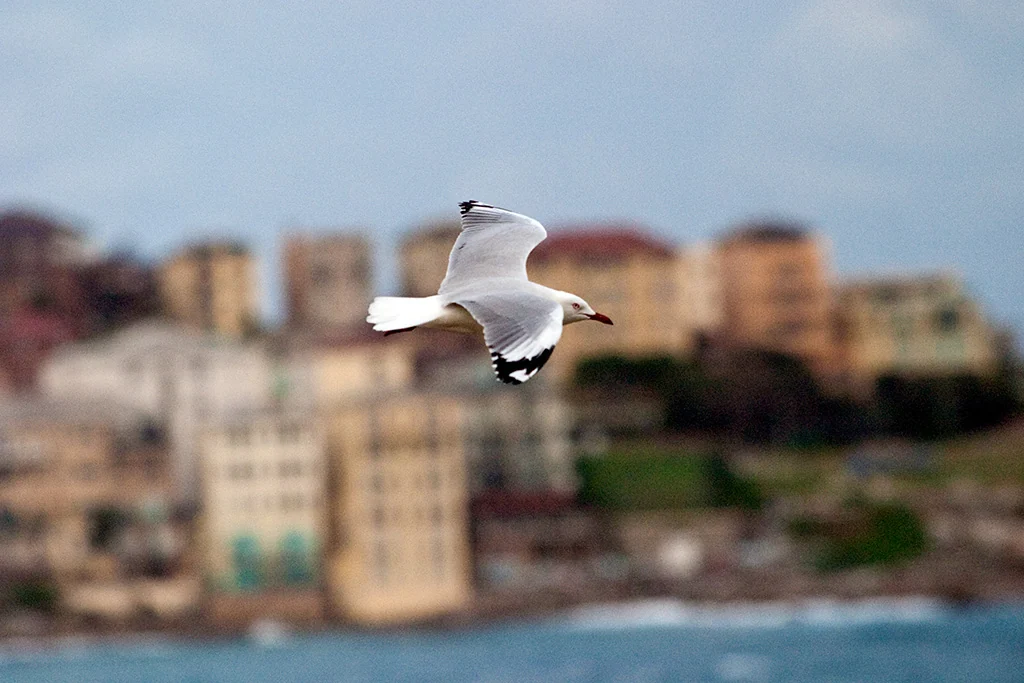
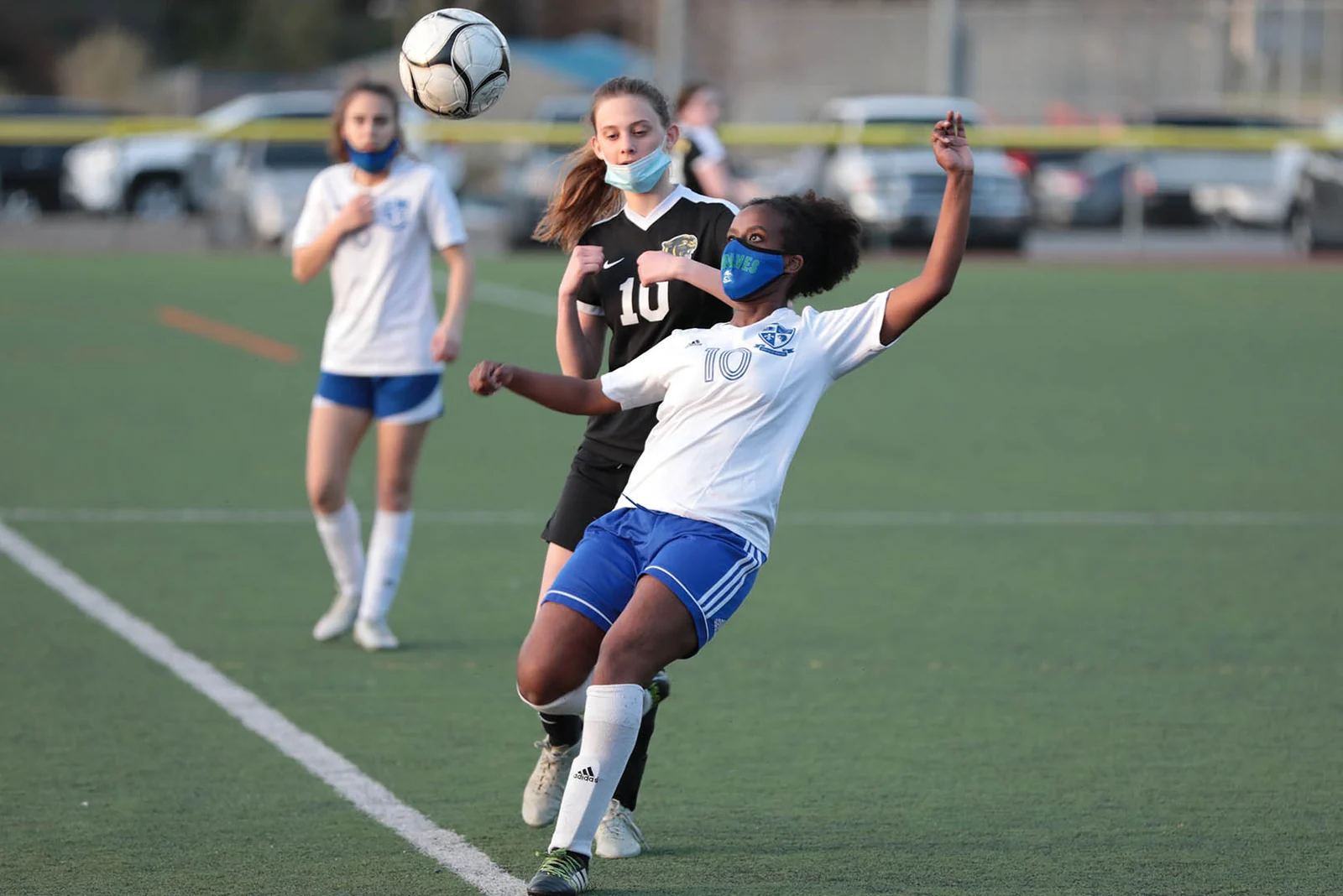
START HEREOpen your unit one-sheetPrint it or keep it open while you work.Open ↗When your shutter speed is fast enough, everything freezes, no blur, no smear, just a razor-sharp instant. The faster the action, the faster your shutter speed needs to be to catch it clean.
A gull's wingtip and a mid-air header, both frozen sharp by a very fast shutter, 1/1250 sec (top) and 1/750 sec (bottom), Photos by photoclass.org.
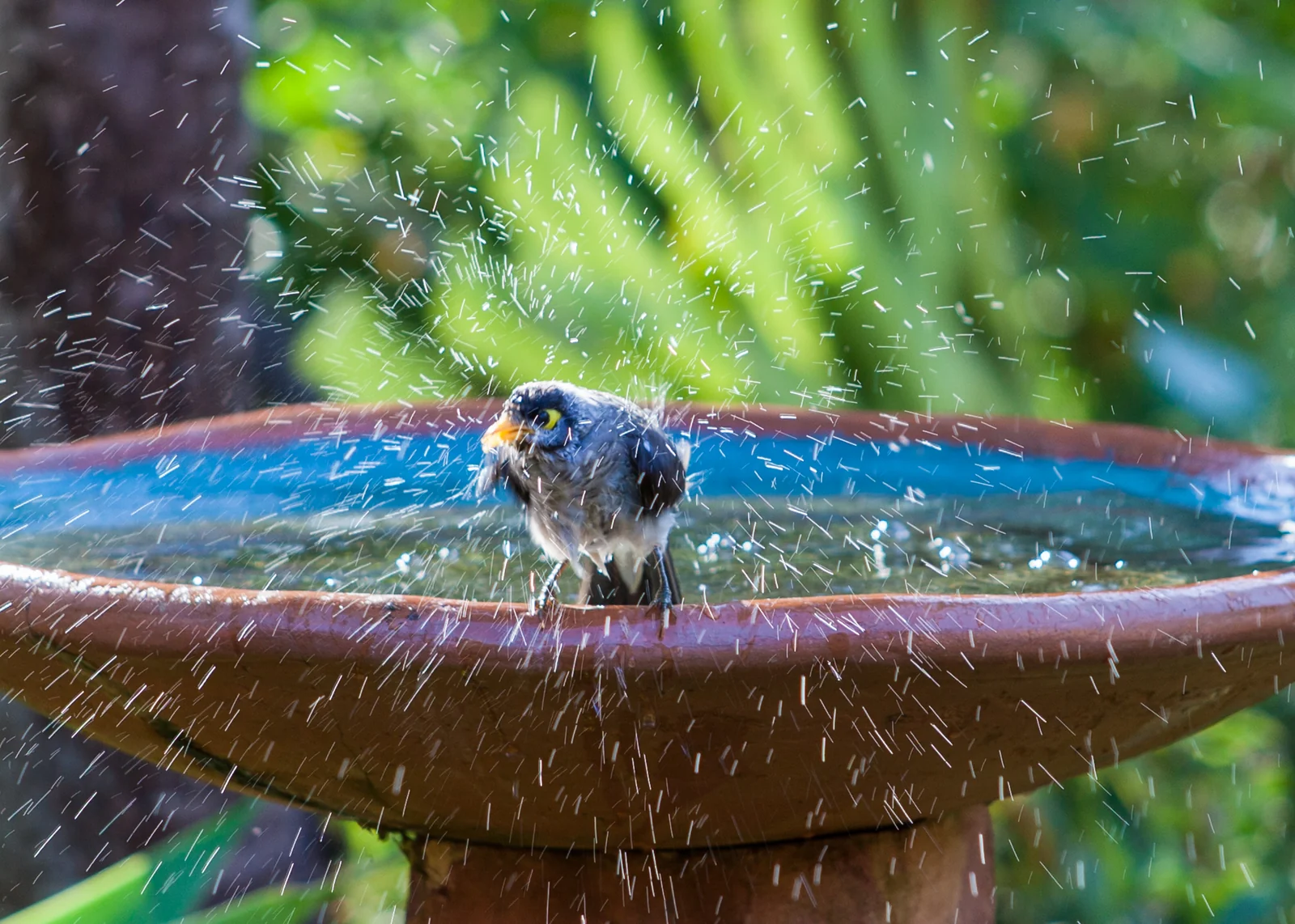
1/40 and 1/50 sec sound almost identical, but the results here couldn't be more different, because "fast enough" isn't a fixed number. It depends on how fast your subject is actually moving, and how far it travels across the frame while the shutter is open.
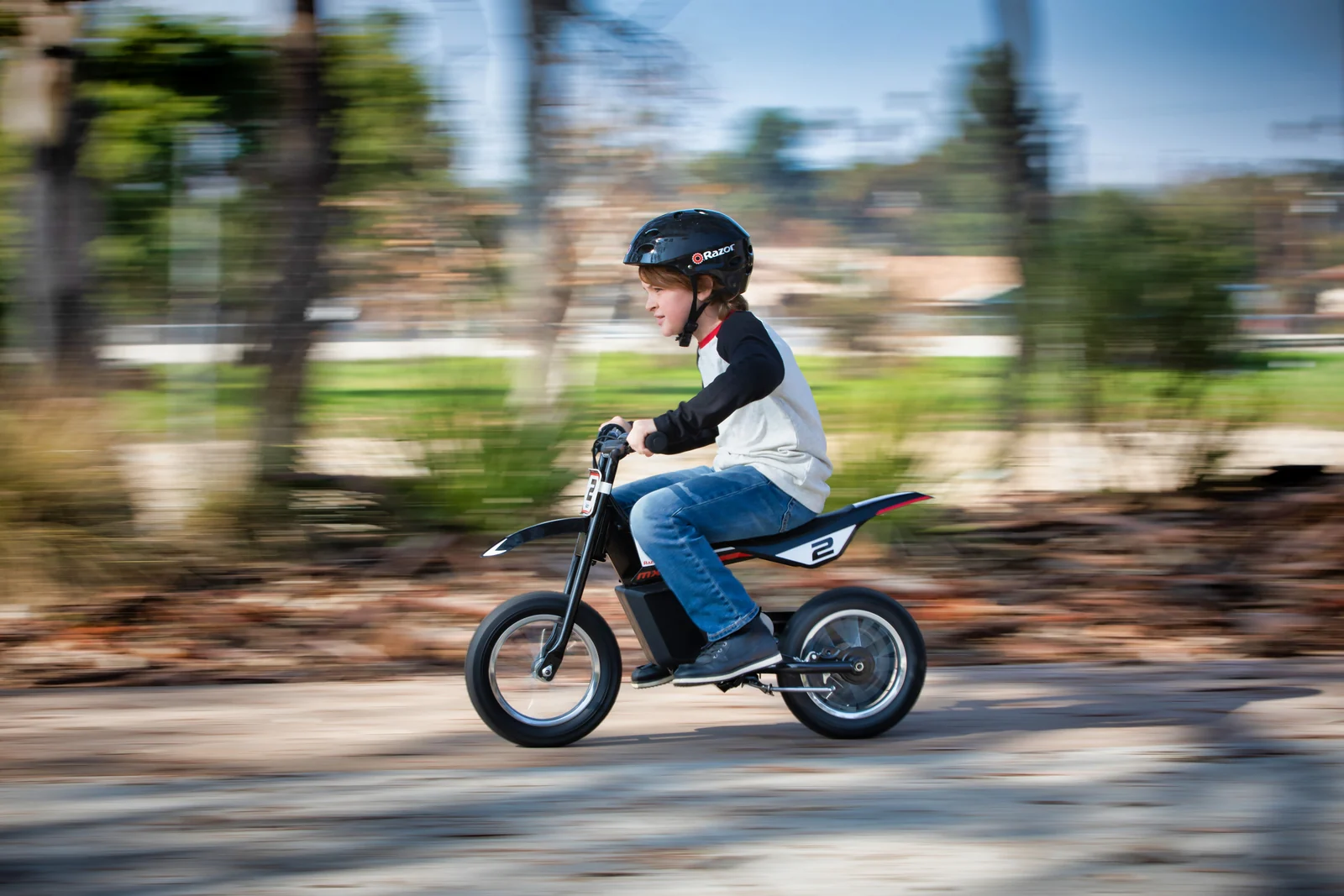
Water droplets barely move during 1/50 sec, so they freeze clean (top). A bike rider covers real distance during 1/40 sec, so the background streaks into motion blur while panning keeps the rider relatively sharp (bottom), Photos by photoclass.org.
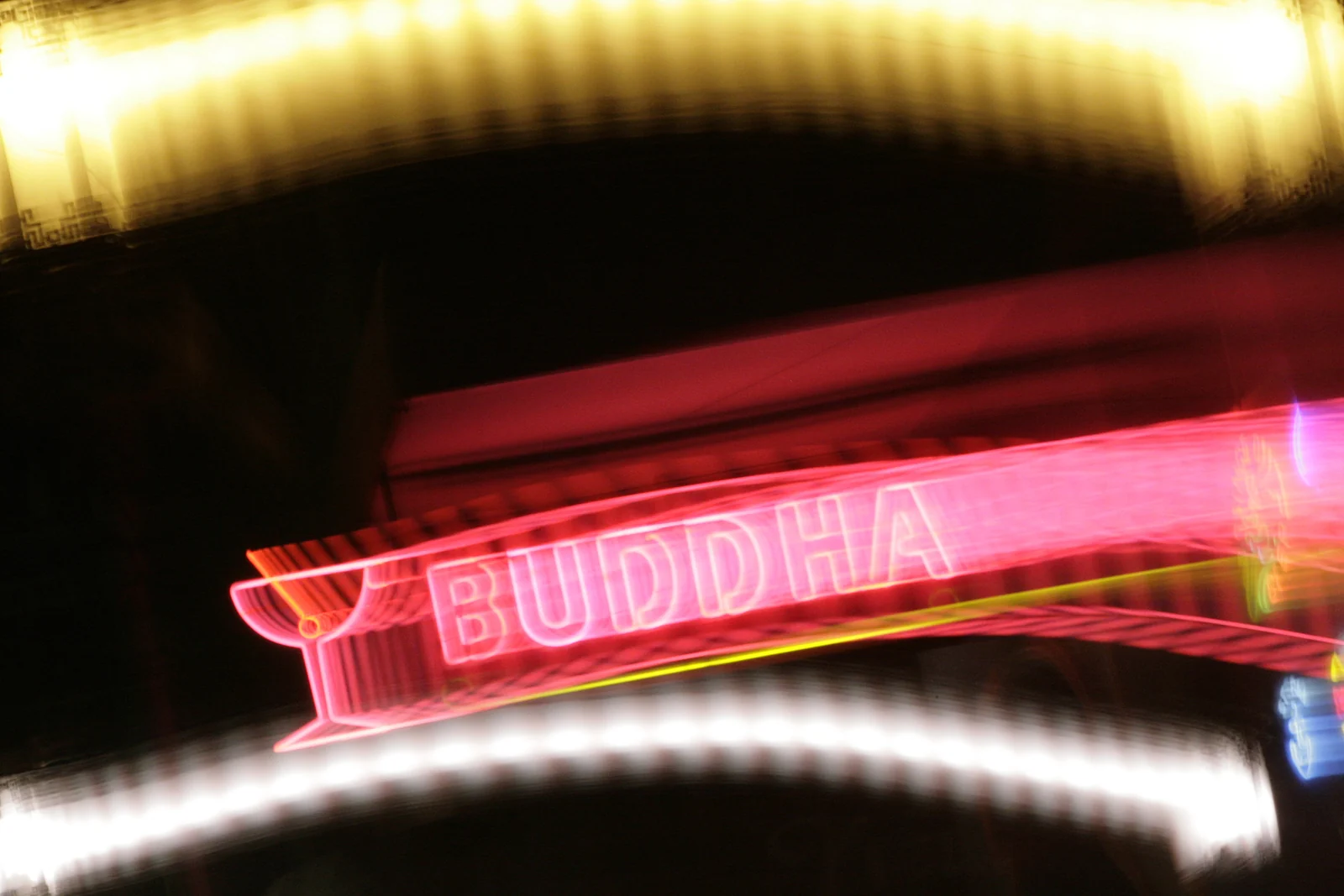
Sometimes blur isn't a mistake, it's the whole point. At 1/2 sec, moving the camera itself (not just the subject) turns still lights into streaks of color.
Panning the camera sideways during a 1/2 sec exposure turns a still neon sign into a streak of color and light, Photo by photoclass.org.
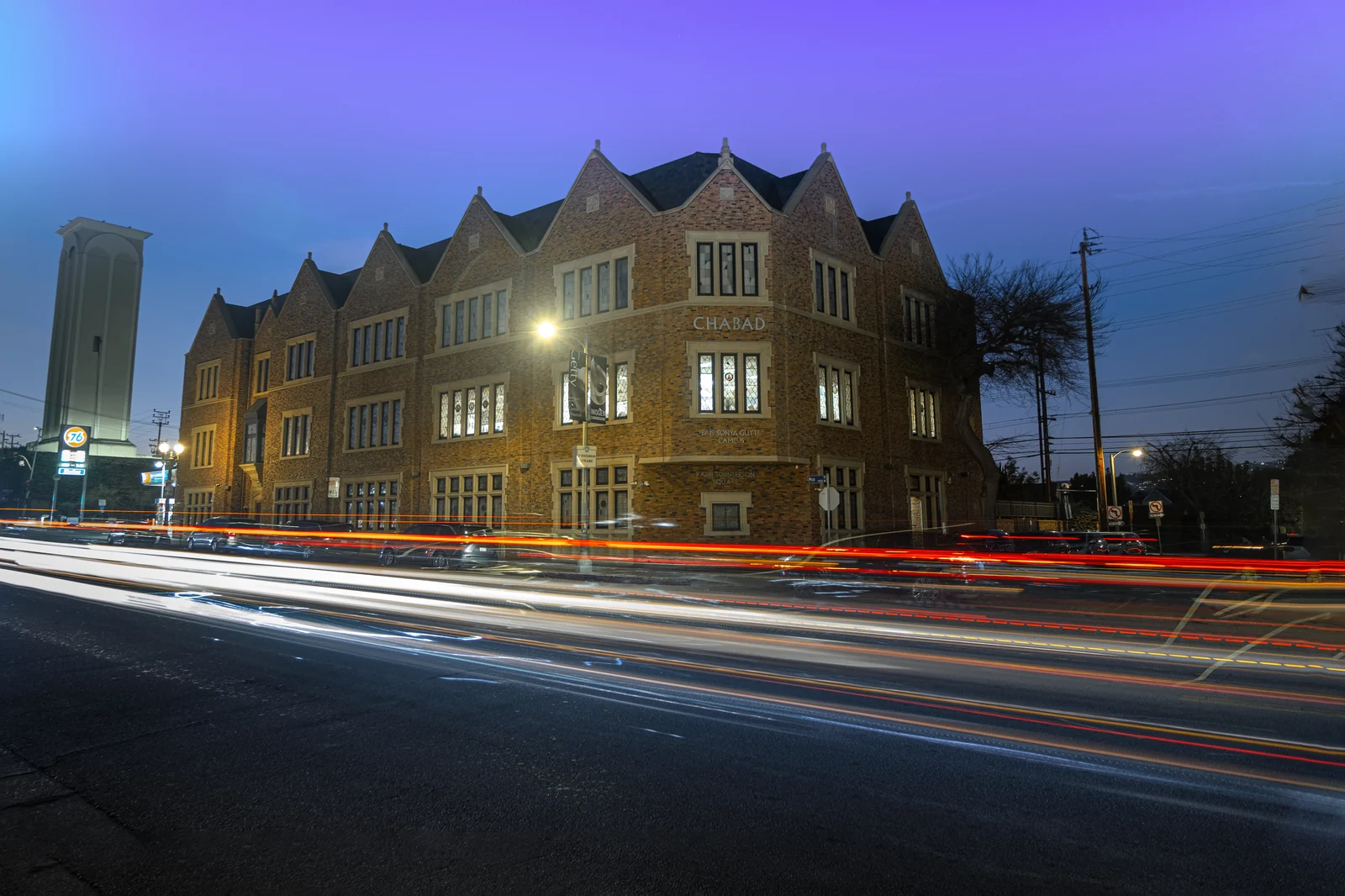
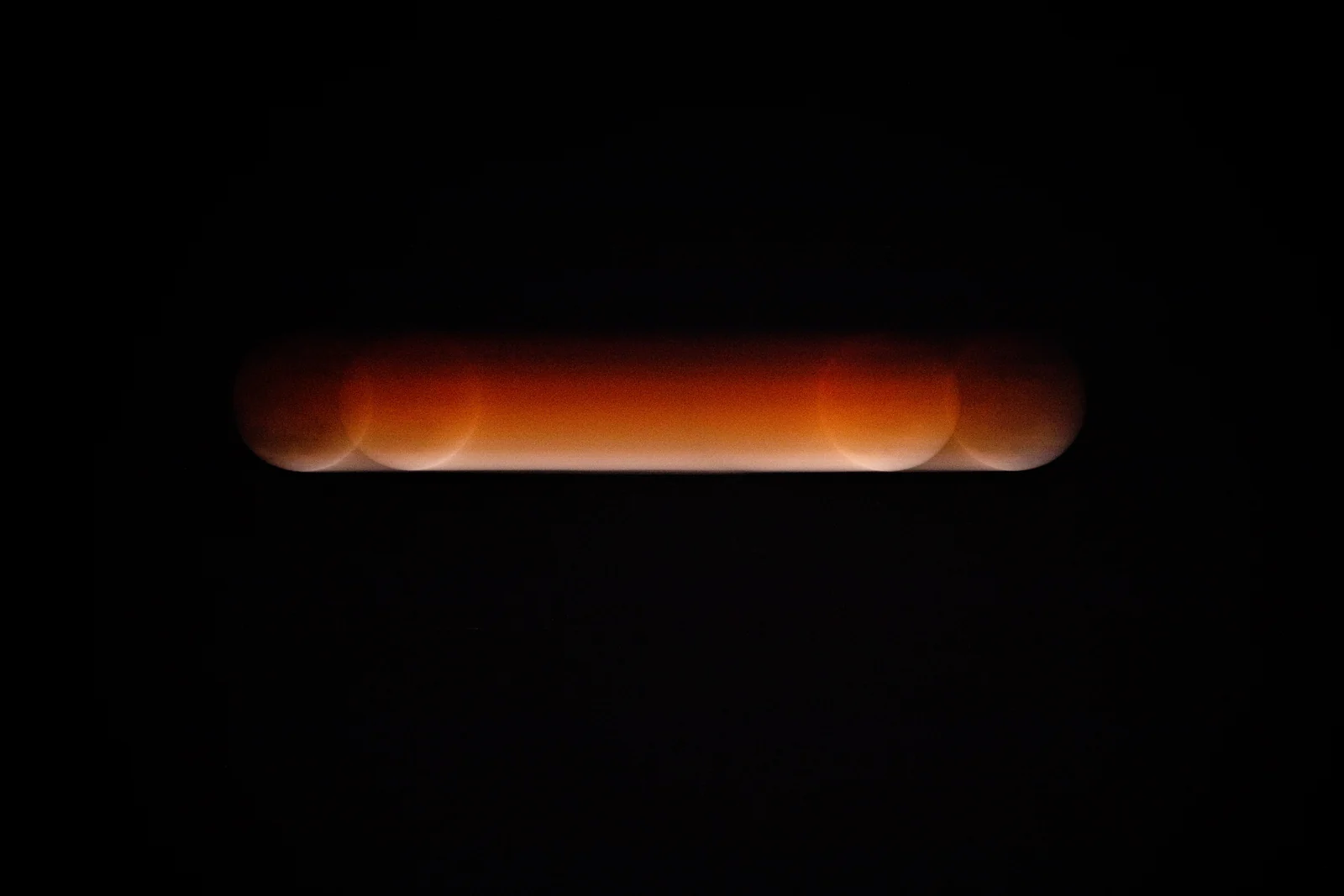
Push the shutter open for multiple seconds and you need a tripod, any camera shake at this length shows up as blur across the entire frame, not just the moving parts. What's left after several seconds is a record of everything that moved: headlights become ribbons of light, and even a single small point of light becomes a solid streak.
Eight seconds turns passing headlights and taillights into ribbons of light streaking past a building (top); 2.5 seconds turns a single moving point of light into one continuous glowing line (bottom), Photos by photoclass.org.
Handheld vs. tripod
As a rule of thumb: anything faster than about 1/60 sec, you can usually hand-hold without your own movement showing up as blur. Once you're approaching a full second or slower, put the camera on a tripod, otherwise your own hands become one more source of blur, on top of whatever's already moving in the scene.
Light trails at night are optional this unit. Try them at home if you want; they are not graded.
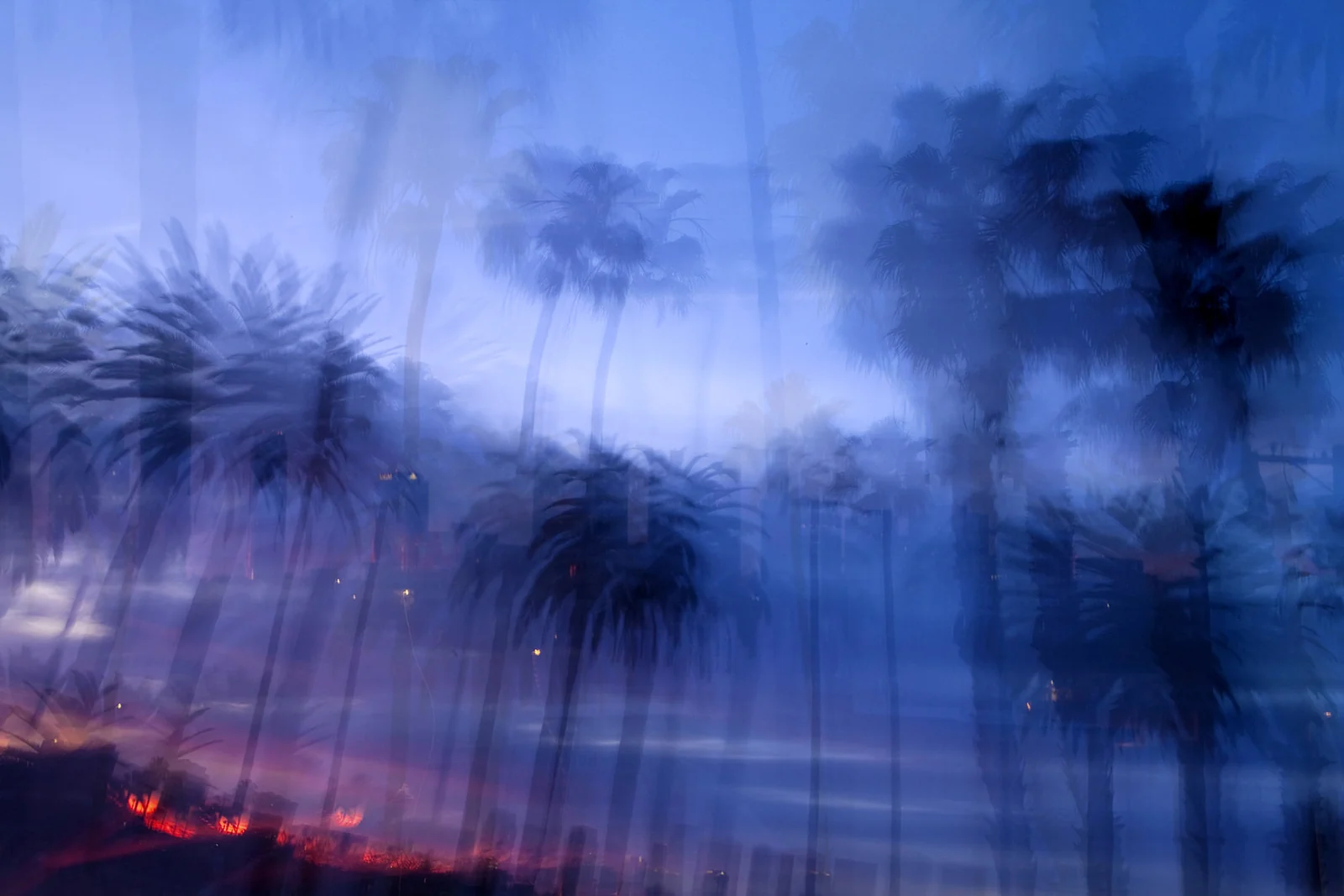
A four-second tripod exposure at dusk, capturing wind-blurred palm fronds and distant light sweeping across the frame, Photo by photoclass.org.
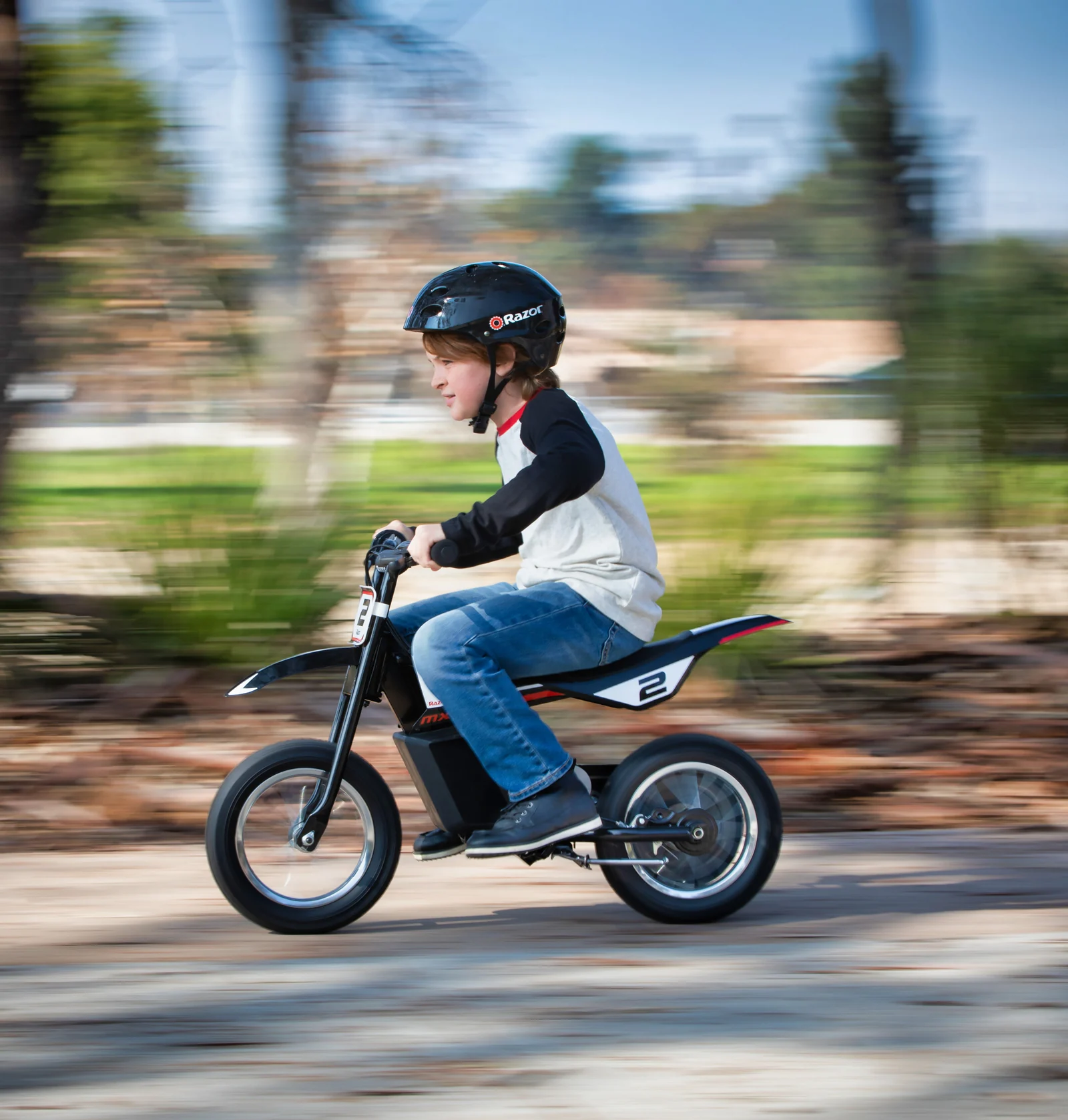
Panning is a third option: instead of choosing between freezing everything or blurring everything, move the camera to track your subject as it moves. Done well, the subject stays sharp while the background turns into streaks that show exactly how fast, and in what direction, it was moving.
The camera tracks the bike as it moves, holding the rider sharp while the background dissolves into horizontal streaks of speed.
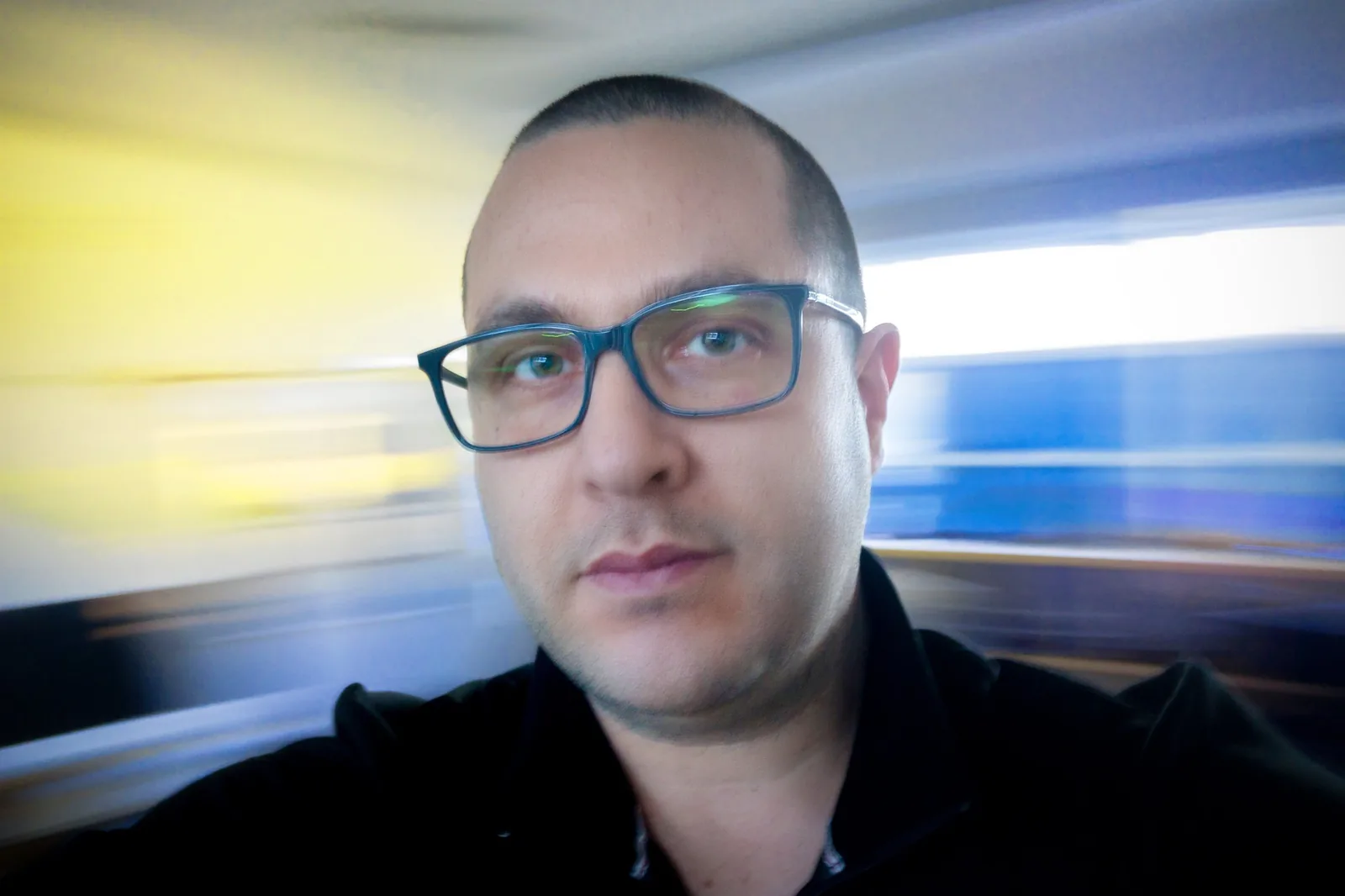
The subject stays sharp at the center while the room around him streaks into motion. Photo by photoclass.org
Choosing on purpose
None of these three is "correct." They are creative choices. Decide which one fits your story before you press the shutter: a frozen instant, a streak of light, or a sharp subject in a blurred world.
Your project and missions
Assignment 03: Exploring Shutter Speed with a Pinwheel. Six speeds, one pinwheel, one tripod. I demo the pinwheel station today, Week 9, Tuesday. Shoot in Week 10, Monday, and hand in Week 10, Tuesday.
Weekly Mission 04: Freeze It, shot today on campus. Weekly Mission 05: Pan With It, in Week 11.