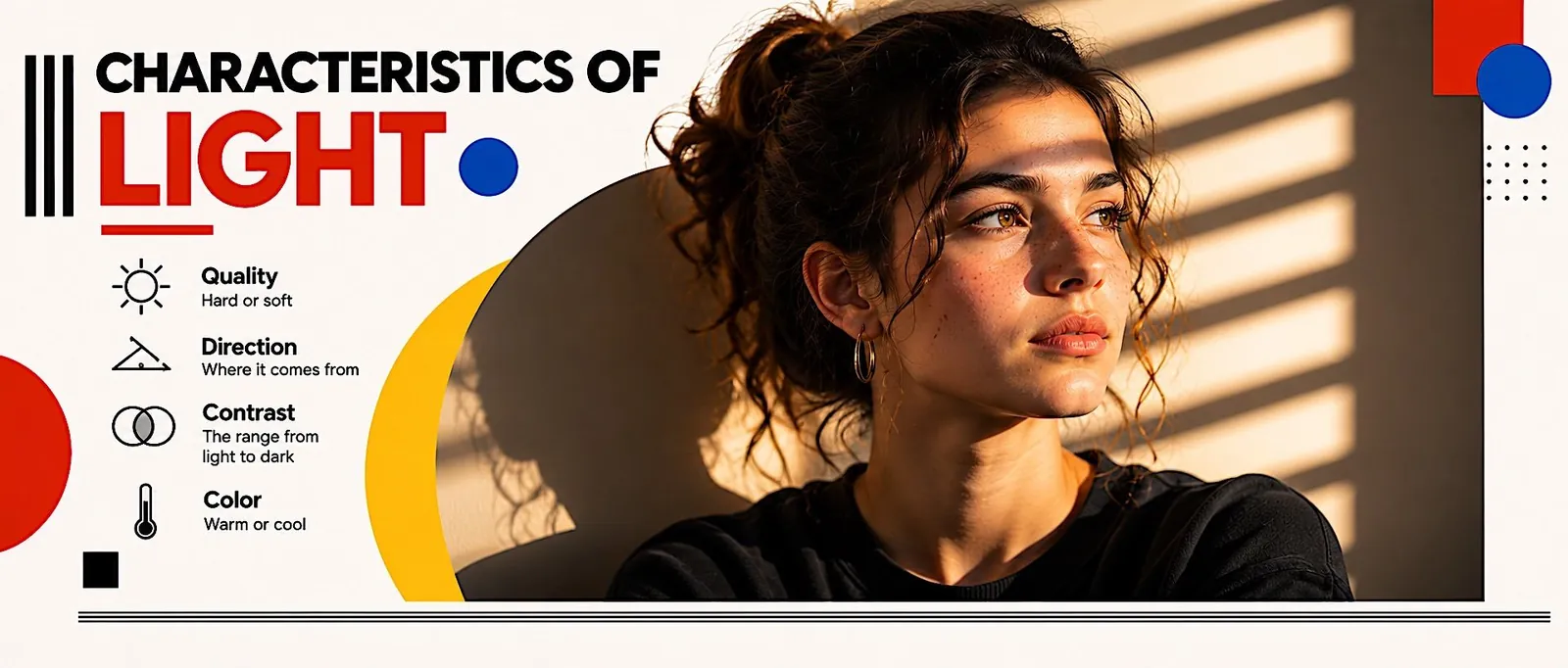
Characteristics of Light
Four things about light change every photo you take.
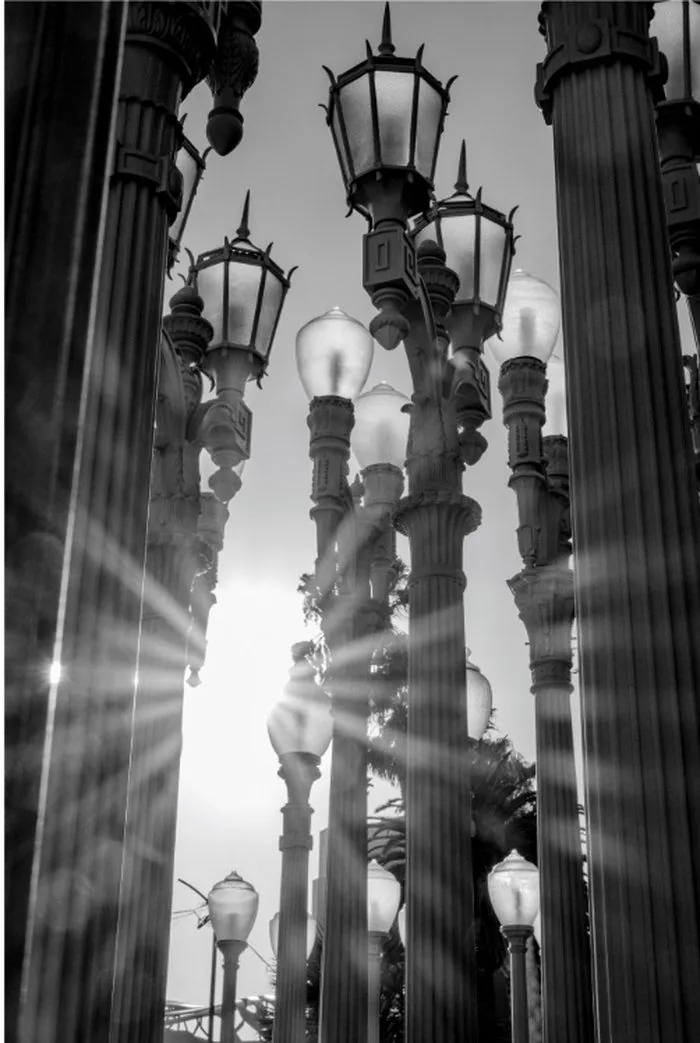
START HEREOpen your unit one-sheetPrint it or keep it open while you work.Open ↗Intensity is simply how much light is present, the quantity, not the color or softness of it. A bright midday sun and a single candle are both light sources, just wildly different in intensity. Photographers often reach for intensity first to set a mood: bright, high-intensity light reads as cheerful and energetic, while low, dim light feels quiet, moody, or even a little mysterious.
A cluster of lamps glowing against a bright sky, many small, intense sources of light create dramatic rays and deep shadow.
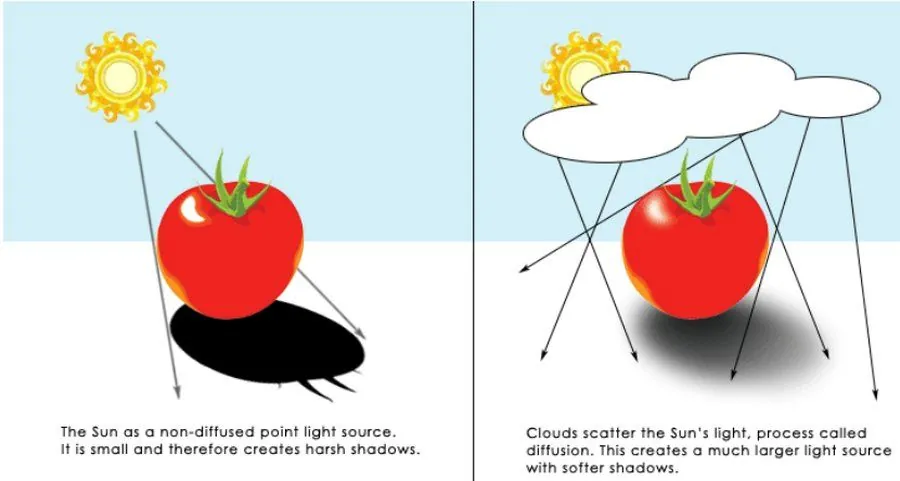
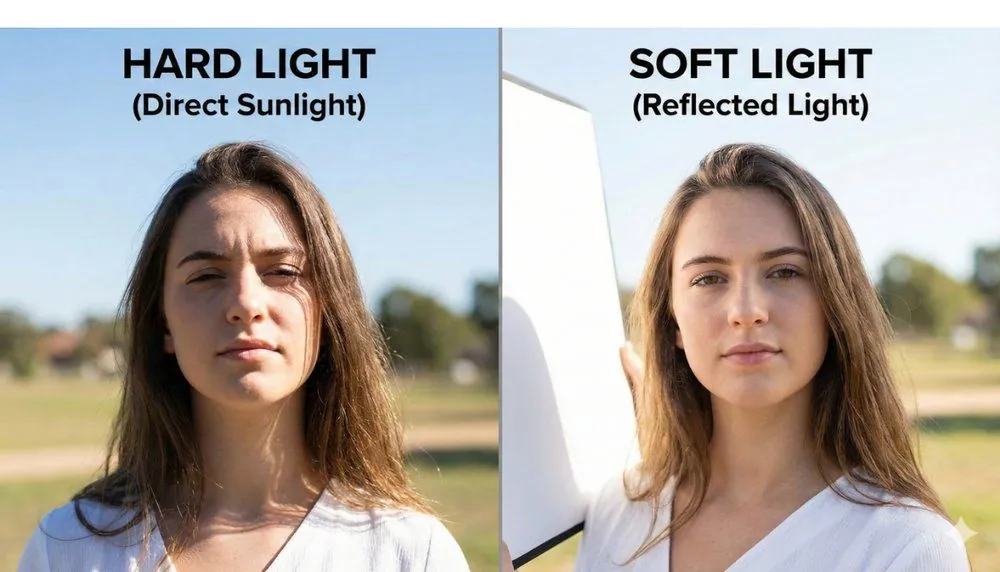
Light quality describes whether shadows are gentle or harsh, and it comes down to the size of the light source relative to your subject. A small, direct source, the midday sun, an on-camera flash, casts hard light: strong, defined shadows and high contrast. A large, diffused source, an overcast sky, a bounced flash, a north-facing window, casts soft light: gentle, gradual shadows that flatter almost any subject. The exact same scene, lit two different ways, can look like two different photographs.
Soft, even light (left) wraps gently around the face with barely a shadow; hard, directional light (right) carves out a strong highlight and deep shadow on one side.
Why size matters
The sun alone acts like a small point source and creates harsh shadows (left); clouds scatter that same sunlight into a much larger, softer source (right).
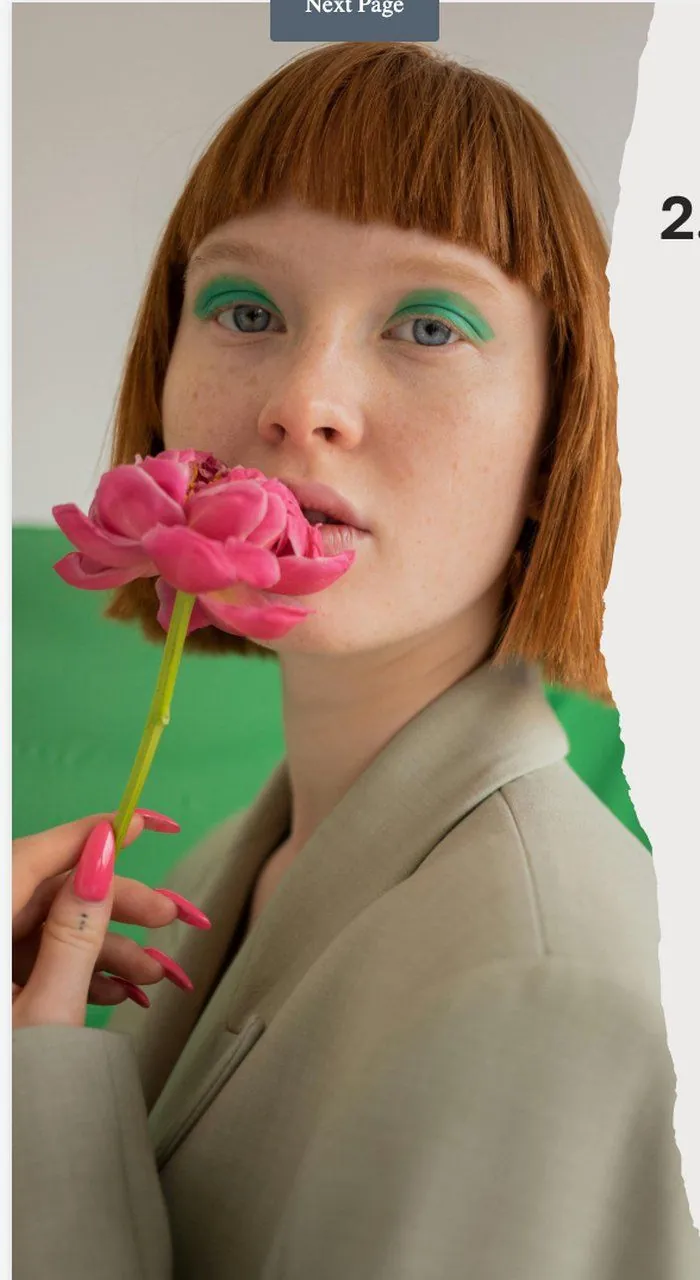

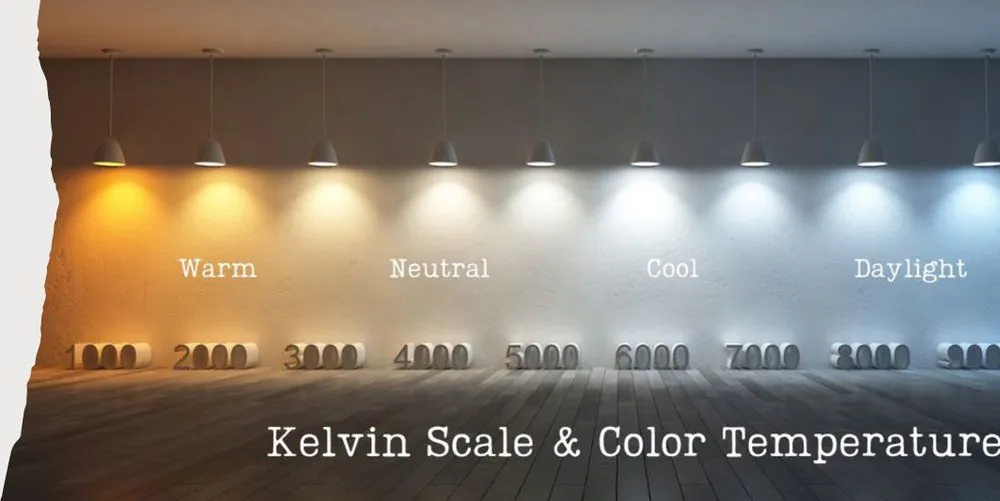
Light isn't just bright or dim, it also carries color. Warm light (golden, orange, red) comes from sunsets, candlelight, and indoor bulbs, and feels cozy or nostalgic. Cool light (blue, white) comes from open shade, overcast skies, and some fluorescent fixtures, and feels crisp, calm, or even a little somber. Photographers measure this on the Kelvin scale, lower numbers are warmer, higher numbers are cooler, and use it deliberately to set the emotional tone of a photograph.
The Kelvin scale, running from warm candlelight at the low end to cool daylight and shade at the high end.
Where light comes from relative to your subject changes the shape, depth, and mood of a portrait just as much as its intensity or color does. Front light is flat and even, useful when you want every detail visible. Angled light, around 45 to 60 degrees, adds gentle depth and shape. Side light is dramatic and high-contrast, carving out texture. And backlight, light coming from behind your subject, can create a silhouette or a glowing rim of light around the hair, especially at golden hour.
Side light (left) rakes across the face for a bold, sculpted look; backlight (right) glows through the hair and rim-lights the subject when the sun sits low behind them.

Guidelines, Not Rules
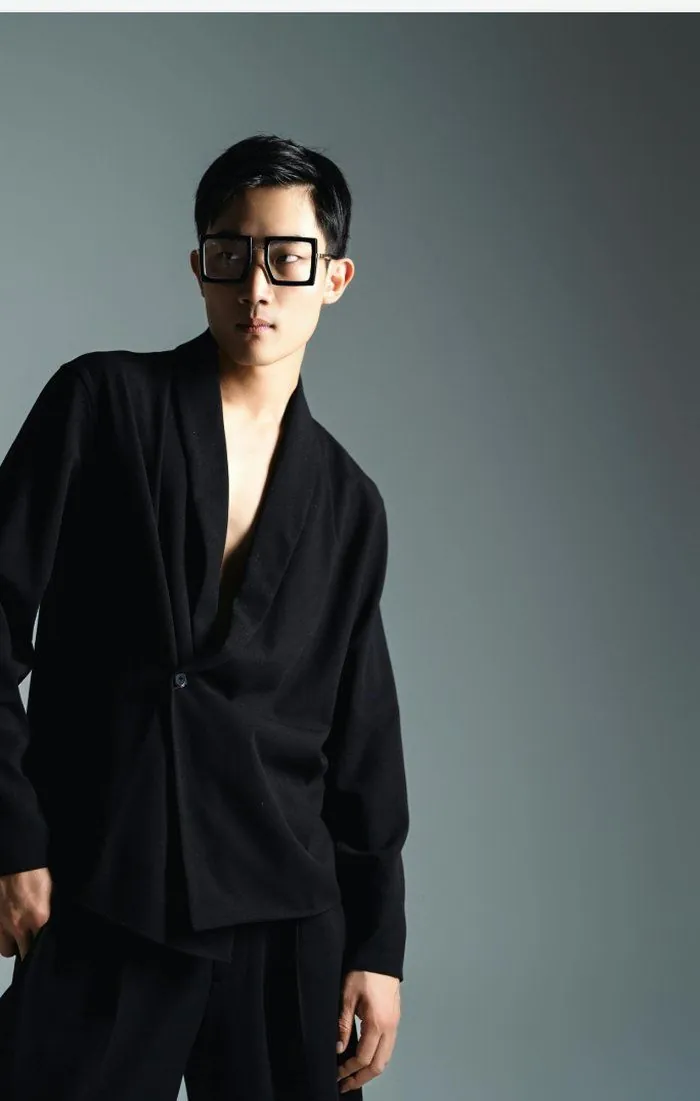
None of these four characteristics is “correct” on its own, they're just tools. A friendly portrait might call for soft, warm, front-lit light; a moody editorial shot might want hard, cool, side light. As you shoot, get in the habit of noticing all four before you press the shutter: How bright is it? Is the light hard or soft? What color is it? And where is it coming from? Once you can answer those four questions on purpose, you're not just taking a picture of good light, you're making one.
The same face, lit two completely different ways, proof that light is a choice, not an accident.
This week's Weekly Mission
Weekly Mission 03: Soft Light vs Hard Light Portraits. The same classmate, the same framing, two kinds of light. Shot on campus today, Week 7, Monday. Edit and hand in Week 7, Tuesday, due 9:00 pm.